10th Period: BREAKING: Ohio Appellate Court Finds Vouchers Unconstitutional
The Ohio 10th District Court of Appeals has agreed with Franklin County Common Pleas Court Judge Jaiza Page’s decision last year that Ohio’s nearly $1 billion annual EdChoice taxpayer funded tuition subsidy program is unconstitutional.
Another huge win for Ohio’s public school kids!
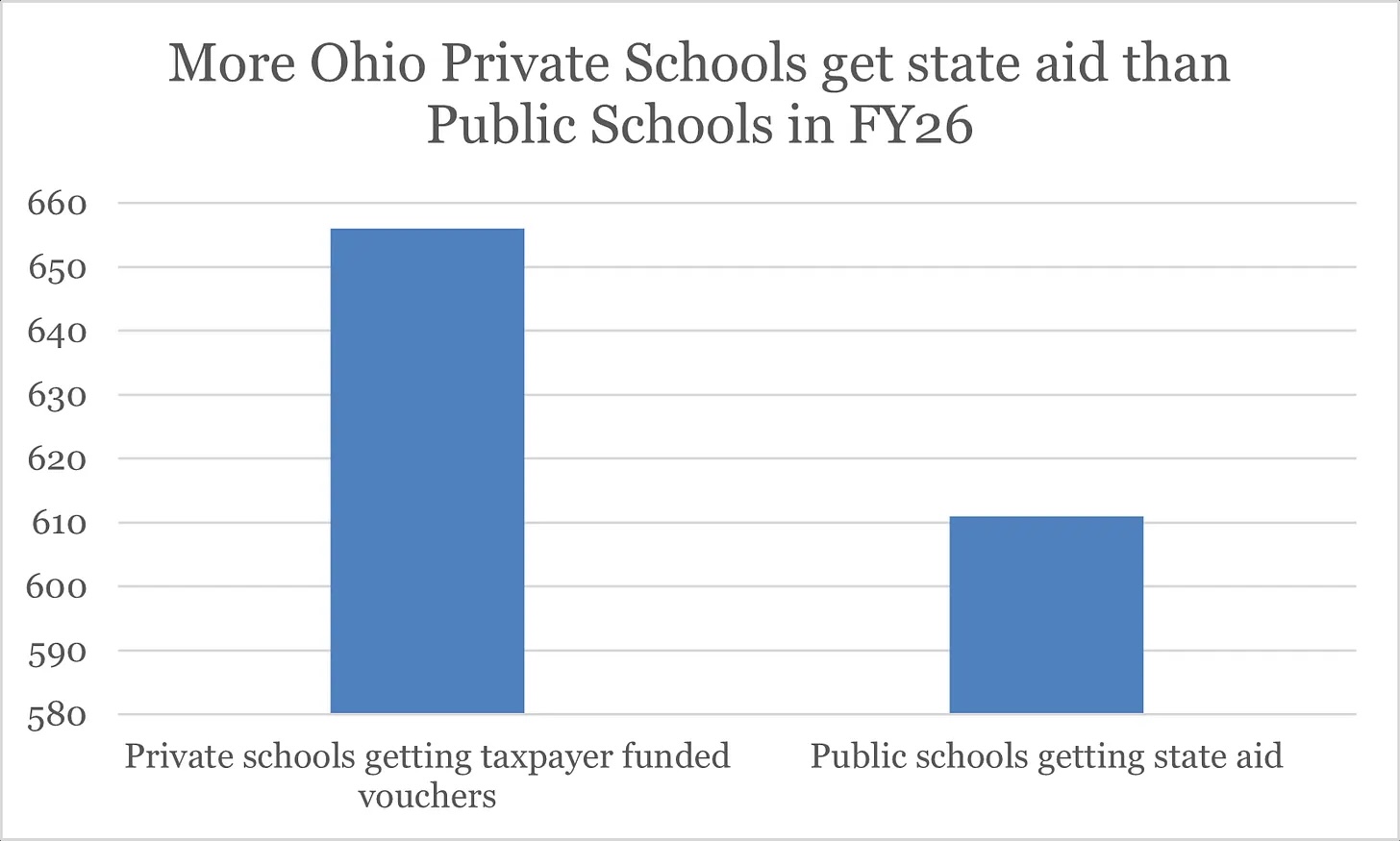
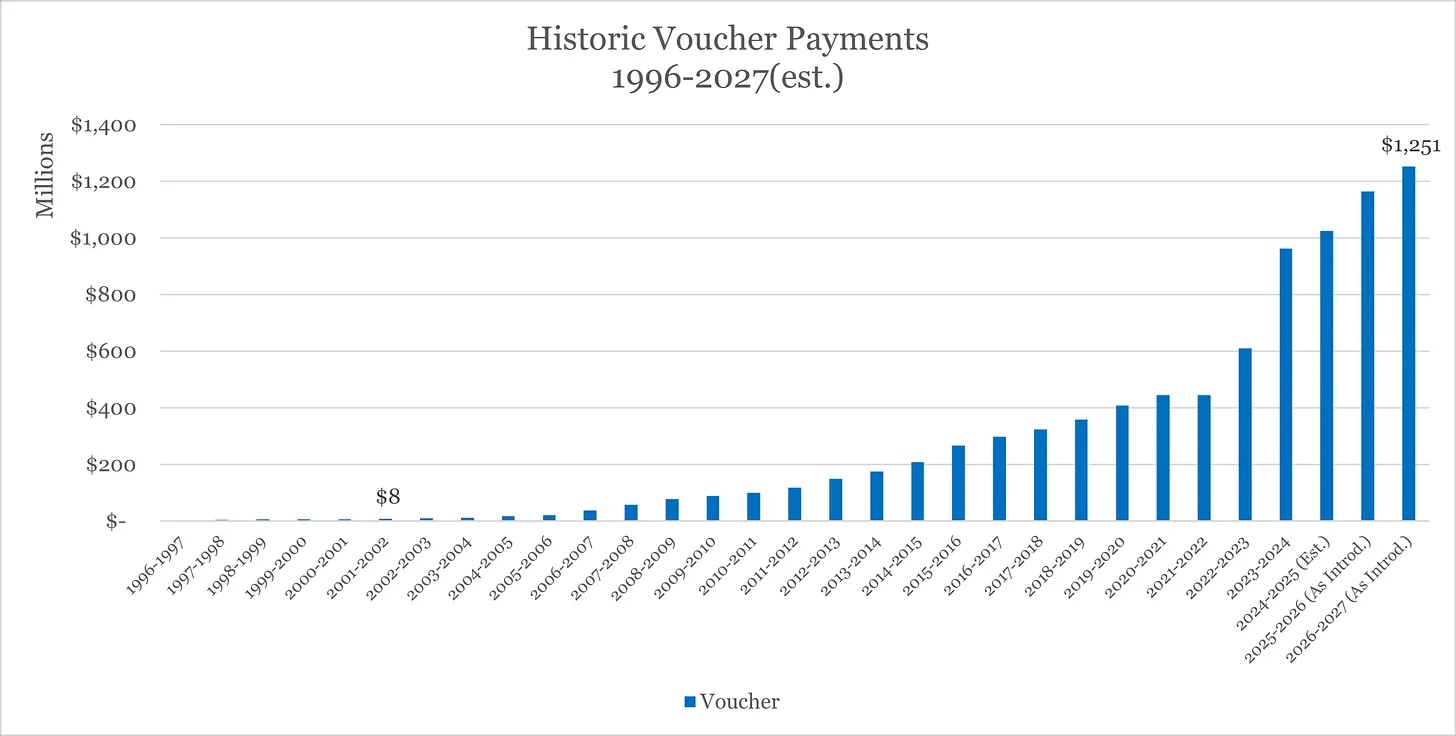
The 10th District decision (authored by Judge David Leland, who used to be a Democratic state legislator) puts the stakes pretty clearly:
“The Supreme Court of Ohio … foretold the possibility that someday a greatly expanded voucher program could create a competing system of uncommon schools. Today is that day.”
The reasons for that conclusion are made plain throughout the decision:
- The money funding the vouchers is directly harming funding for the 1.5 million kids in Ohio’s traditional public schools
- The program is all but unaccountable to taxpayers
- Private schools, not parents, choose which students attend those schools
- Private schools are geographically isolated in more urban counties
- Private schools cherry pick students so that the least difficult to educate are accepted, leaving more challenging students to traditional public schools
A couple interesting details in the opinion coming from the actual mouths of Ohio Department of Education administrators:
- Ohio doesn’t verify that any EdChoice students are actually enrolled in the private school. They just take the schools’ word for it. This is how ECOT became the largest taxpayer ripoff in Ohio history (right, Sen. Husted?). Here’s how the state’s director of the program answered this question:
“Q. So, theoretically, a student could be absent every day in a year, and that school would still get paid for the EdChoice scholarship for that student even though that child has been not attending; is that correct?
A. Correct.”
- Ohio also does not verify that private schools, the overwhelming majority of whom are now getting more than 75% of their funding from taxpayers, actually adhere to state education operating standards. From the same questioning of the state director:
“Q. And when you say maintain the operating standards at their school, how does your department monitor that?
A. There is no monitoring system.
Q. So you wouldn’t really know if [EdChoice schools are] maintaining the operating standards, because there’s no way to monitor it, right?
A. Correct.”
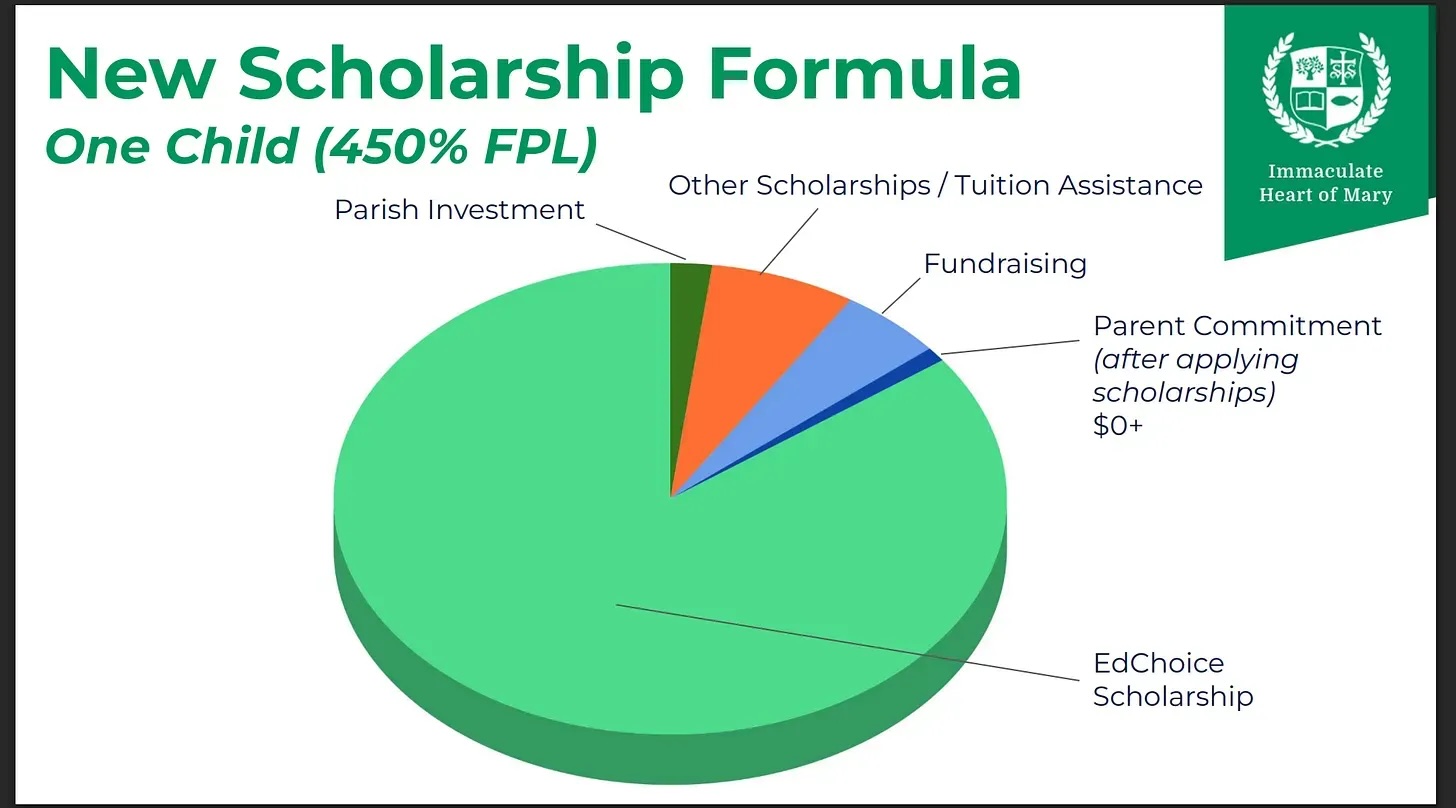
Once again explaining that the money for vouchers comes out of the exact same pot as money for the state’s funding formula for the 1.5 million kids in traditional public schools — a formula that has not been fully funded, as the state itself has admitted — the 10th District hammers home the point.
“Defendants’ arguments resemble the old Groucho Marx line: ‘who are you going to believe, me or your lying eyes?’”
One area that differed slightly from Page’s original opinion but was interesting nonetheless was on the impact EdChoice has on property tax levy passage. The argument the 10th District made was that because the EdChoice money is so large now (the high school voucher is more per pupil state aid than kids in about 80% of Ohio school districts receive) that it disincentivizes people from passing levies.
“By encouraging the departure of students from public schools, EdChoice gives voters less reason to approve local school levies,” it reads.
The opinion also takes a shot at the Ohio General Assembly’s failure to address the local property tax issue in a footnote.

The 10th District didn’t even get into the Ohio Constitution’s ban on religious schools controlling public education money. They just thoroughly dismissed the voucher proponents’ claims on the accountability and funding grounds. It’s unconstitutional.
Case closed.
There is a clear path here for the Ohio Supreme Court to agree with all the other courts that have examined this issue. As these opinions roll in with more and more convincing evidence explaining how EdChoice is hurting kids in public schools, I’m becoming more and more curious how the robed politicians on the state’s highest court are going to twist themselves into knots explaining how robbing money from public school kids to give to private, unaccountable schools, should continue.
Because not a single court or judge that has heard that claim has agreed that it should so far. Even during the DeRolph school funding case, the appellate court in that case overturned the trial court and found Ohio’s school funding system constitutional. It wasn’t until the Ohio Supreme Court ruled it unconstitutional (4 times, eventually) that the original unconstitutional ruling was upheld.
But in this EdChoice case, there’s no dissenting opinion or anything that could give the Supreme Court something to hang their hat on.
It’s all going to have to come from them. And their ideology.
Because the law?
It ain’t with EdChoice.
This blog post has been shared by permission from the author.
Readers wishing to comment on the content are encouraged to do so via the link to the original post.
Find the original post here:
The views expressed by the blogger are not necessarily those of NEPC.